X Argues Broad Underage Social Media Bans Violate International Law in Push Against Australia’s New Rules
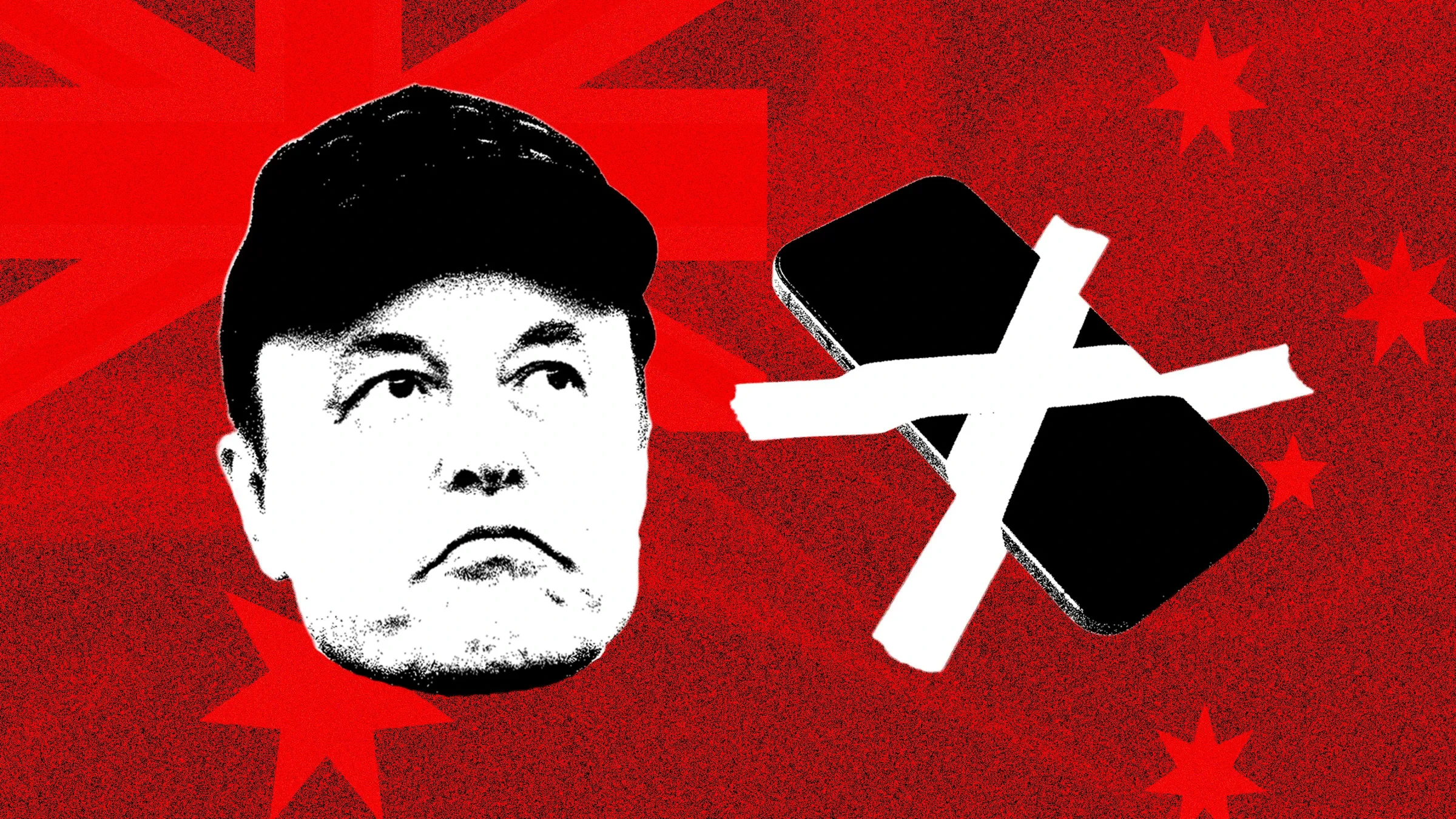
Social media platform X, which falls under Elon Musk’s broader corporate umbrella alongside SpaceX, is opposing sweeping bans on underage social media use with a new legal argument: such restrictions conflict with international law.
In a formal submission to the Australian parliament published Tuesday, X called on the federal government to abandon plans to strengthen its existing national underage social media ban. The company argues that proposed new rules, which force platforms to prove they are actively working to block underage access, are unnecessary, poorly suited for the digital ecosystem, unfair, and could put users’ privacy rights at risk.
X has specifically pushed back against what it describes as the “highly invasive” data collection powers granted by the proposed amendment. The firm claims Australia’s regulatory commissioner has “seemingly no understanding” of how these requirements would function for global platforms, and that no safeguards exist to protect confidential, commercially sensitive business information. X also warned that demanding data, internal documents, and compliance proof from non-Australian entities based in other countries could create friction “for the comity of nations,” or cross-border legal relations.
Australia is leading a growing global movement to restrict children’s access to social media, after it implemented a ban on all users under 16 across social platforms in December. In May of this year, the country ordered X to pay a $463,000 fine for failing to comply with mandatory child safety rules. The fine was first issued in 2023 by Australia’s internet regulator eSafety, which claimed X did not adequately respond to a request for information about its efforts to combat the spread of online child sexual abuse content. That request was submitted one month before Elon Musk acquired Twitter, the platform that would later be rebranded as X.
X has previously criticized Australia’s “excessive” penalty framework, and in its latest submission, the firm argues that a proposal to increase penalties for individual violations is “entirely unjustified and disproportionate.” Musk himself has been an especially vocal critic of Australia’s bill that sets 16 as the minimum age for social media use. “Seems like a backdoor way to control access to the Internet by all Australians,” he posted on X when the legislation was announced in late 2024. When Spanish Prime Minister Pedro Sánchez announced similar age restrictions in February this year, Musk publicly called Sánchez a “tyrant” and “true fascist totalitarian.”
While many digital rights campaigners agree that blanket age bans on social media are “problematic,” the core issue is not the information-gathering powers X objects to, says Stefania Di Stefano, a researcher specializing in international law and technology.
“For me, the complete ban from social media on children and minors is problematic from an international human rights perspective. It is disproportionate with respect to the right of children to exercise their right to freedom of expression, their right to access information, their right to association, and so on and so forth.”
But Julia Hörnle, a professor of internet law at Queen Mary University of London, is skeptical of the arguments laid out in X’s submission.
“A regulator in Australia ordering X to disclose a document in relation to their business activities in Australia, that’s perfectly fine. From all the data in the possession of the social media company, they can distinguish between Australian and non-Australian children, and therefore keep regulation to Australia,” she told WIRED.
X Argues Broad Underage Social Media Bans Violate International Law in Push Against Australia’s New Rules